The Benefits of Cyclical Living: A Complete Guide to Working With Your Menstrual Cycle

For generations, women have been expected to function as though their bodies operate on a 24-hour cycle, maintaining the same energy, productivity, and emotional capacity every day of the month.
But unlike men, whose hormonal rhythms reset roughly every 24 hours, women experience a hormonal cycle over approximately 28 days (although anywhere between 21 and 35 days can be completely healthy). These hormonal shifts influence our energy, mood, appetite, sleep, exercise capacity, creativity, social confidence, and emotional wellbeing.
Rather than resisting these changes, cyclical living invites us to honour them.
By understanding the different phases of your menstrual cycle, you can begin to align your work, movement, nutrition, self-care, and social life with your body's natural rhythms. Many women find this leads to improved energy, reduced burnout, better hormonal health, and a much deeper connection with themselves.
What Is Cyclical Living?
Cyclical living (sometimes called cycle syncing) is the practice of adapting your lifestyle to reflect the changing needs of each phase of your menstrual cycle.
Rather than expecting yourself to perform at 100% every single day, cyclical living recognises that every phase offers unique strengths.
Think of your cycle like the four seasons of nature.
Menstrual Phase – Winter
Follicular Phase – Spring
Ovulatory Phase – Summer
Luteal Phase – Autumn
Just as nature isn't designed to bloom all year round, neither are we.
Step One: Track Your Cycle
Before you can begin living cyclically, it's helpful to understand your own unique rhythm. You can do this by tracking your cycle for two or three months; you'll often begin to notice patterns unique to your body. You can use a paper journal, calendar, or tracking apps to record:
The first day of your period
Cervical mucus changes
Basal body temperature (if you're tracking fertility)
Energy levels
Mood
Sleep quality
Exercise
Symptoms such as cramps, headaches, or bloating
Some popular cycle tracking apps include:
Clue
Flo
Stardust
Natural Cycles (certified for contraception when used correctly)
Moody Month
MyFLO
Phase One: Menstrual Phase (Winter)

Approximate Days: 1–5
Your period marks the beginning of a new cycle.
During menstruation, both oestrogen and progesterone are at their lowest. Energy naturally declines, making this an ideal time for slowing down and replenishing your reserves.
Instead of viewing your period as an inconvenience, cyclical living encourages us to see it as an invitation to pause.
Best Types of Exercise
During menstruation, gentle movement often feels more supportive than high-intensity workouts. However, if your body is asking for complete rest, that is equally valid.
Consider:
Gentle yoga
Yin yoga
Restorative yoga
Walking in nature
Stretching
Light mobility work
Breathwork
Slow swimming (if comfortable)
Nourishing Foods
During your period, your body loses iron and minerals through menstrual blood. Focus on warming, nourishing meals such as:
Slow-cooked stews
Bone broth (if you eat animal products)
Lentil soups
Root vegetables
Sweet potatoes
Dark leafy greens
Beetroot
Grass-fed beef or lentils for iron
Pumpkin seeds
Black beans
Oats
Foods rich in vitamin C, such as oranges, berries, kiwi, or peppers, can also support iron absorption.
Herbal Teas
Raspberry leaf (particularly later in the cycle rather than during heavy bleeding)
Ginger
Chamomile
Peppermint
Cinnamon tea
Nettle tea (rich in minerals including iron)
Self-Care Ideas
Taking a warm bath with Epsom salts
Using a hot water bottle for cramps
Reading a book
Journaling
Meditation
Yoga Nidra
Receiving a massage
Limiting social commitments
Spending time in nature
Going to bed earlier
Many women also find it helpful to reduce their workload where possible and create more spaciousness during this phase.
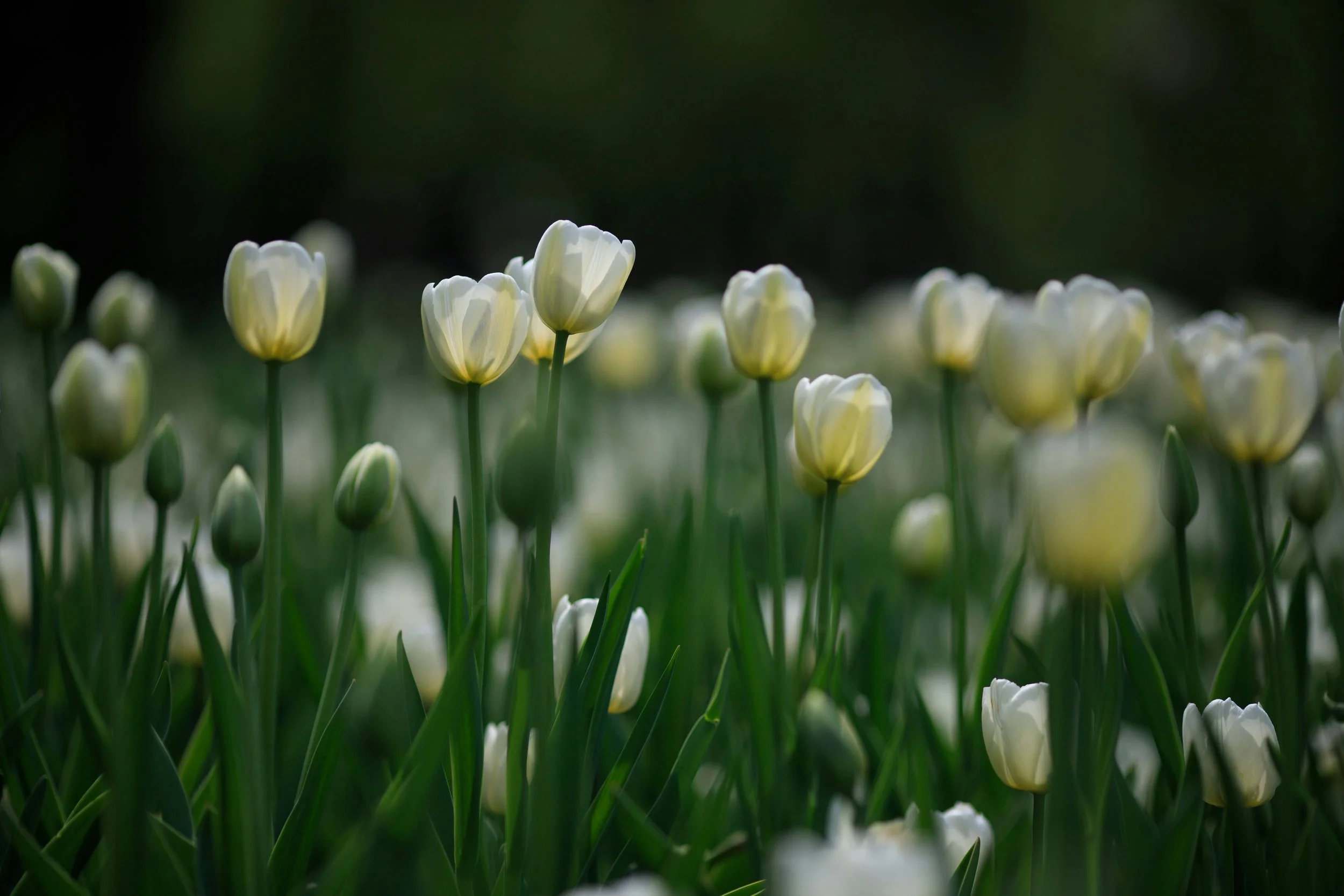
Phase Two: Follicular Phase (Spring)
Approximate Days: 6–13
As your period finishes, oestrogen begins to rise. This often brings renewed motivation, creativity, optimism, and curiosity. Many women naturally feel inspired to begin new projects during this phase.
Best Types of Exercise
Energy is increasing, making this a wonderful time to try something new. Your body often recovers more efficiently during this phase.
Examples include:
Strength training
Pilates
Hiking
Dance classes
Cycling
Swimming
Moderate running
Circuit training
Nourishing Foods
Support rising energy with colourful whole foods.
Include:
Fresh salads
Sprouted grains
Fermented foods
Lean proteins
Eggs
Avocados
Broccoli
Asparagus
Berries
Citrus fruits
Fresh herbs
Herbal Teas
Green tea (if tolerated)
Lemon balm
Nettle
Spearmint (particularly for women managing excess androgen symptoms such as in PCOS)
Self-Care Ideas
Goal setting
Learning something new
Decluttering your home
Planning your month
Creative hobbies
Meeting friends
Vision boarding
Booking appointments
Many women notice increased confidence and enthusiasm during this phase.
Phase Three: Ovulatory Phase (Summer)

Approximate Days: 14–16
Ovulation is when an egg is released from the ovary. Oestrogen reaches its peak, and many women experience their highest energy, confidence, libido, and communication skills. This is often the most outward-facing phase of the cycle.
Best Types of Exercise
Your body may naturally enjoy more challenging movement but always listen to your body rather than pushing through fatigue.
Examples include:
HIIT
Running
Team sports
Weightlifting
Spin classes
Dancing
Tennis
Boxing
Nourishing Foods
Choose lighter meals rich in antioxidants.
Include:
Fresh fruit
Colourful vegetables
Quinoa
Fish
Chicken
Chickpeas
Healthy fats
Smoothies
Salads
Hydration is especially important during this phase.
Herbal Teas
Hibiscus
Green tea
Lemon balm
Peppermint
Self-Care Ideas
Host gatherings
Attend networking events
Record podcasts
Film social media content
Give presentations
Go on dates
Schedule important conversations
Many women feel naturally more expressive and charismatic during ovulation.
Phase Four: Luteal Phase (Autumn)

Approximate Days: 17–28
After ovulation, progesterone becomes the dominant hormone. Initially, energy may remain fairly high before gradually declining as menstruation approaches. This phase often invites reflection, discernment, and completion.
Best Types of Exercise
As your body prepares for menstruation, many women benefit from gradually reducing exercise intensity. During the final few days before your period, you may naturally prefer slower movement.
Supportive movement includes:
Pilates
Walking
Moderate strength training
Barre
Yoga
Swimming
Gentle cycling
Nourishing Foods
Many women notice increased hunger during this phase. Rather than resisting it, focus on satisfying, nutrient-dense meals to help support energy levels and reduce cravings.
Include:
Complex carbohydrates
Brown rice
Oats
Sweet potatoes
Chickpeas
Turkey
Salmon
Pumpkin seeds
Magnesium-rich foods
Dark chocolate (70% cocoa or higher, in moderation)
Herbal Teas
Chamomile
Lemon balm
Passionflower
Lavender
Peppermint
Ginger
Self-Care Ideas
Finishing projects
Organising your home
Saying no to unnecessary commitments
Prioritising sleep
Gentle evening routines
Reading
Meditation
Receiving bodywork
Spending quiet time alone
If you experience PMS, approaching yourself with compassion rather than criticism can make a profound difference.
The Benefits of Cyclical Living
Living in alignment with your menstrual cycle may help you:
Feel more connected to your body's natural wisdom.
Reduce feelings of burnout and overwhelm.
Build greater self-compassion.
Support hormonal wellbeing.
Improve productivity by working with your energy instead of against it.
Create more sustainable routines for exercise, nutrition, and rest.
Develop a healthier relationship with your body.
It's important to remember that every woman is different. Your experience may not perfectly match the descriptions above, and that's okay. Cyclical living is about becoming curious about your own patterns rather than following rigid rules.
A Gentle Reminder
If you have irregular periods, conditions such as endometriosis or PCOS, are postpartum, perimenopausal, or no longer menstruate, you can still benefit from cyclical living by paying attention to your body's changing energy, emotions, and needs.
Womb Healing is a wonderful complementary treatment to explore if you are struggling with the symptoms of a reproductive health condition or menstrual health issues.
Reconnecting With Your Inner Seasons
Nature doesn't apologise for resting in winter, blooming in spring, flourishing in summer, or letting go in autumn. Perhaps we were never meant to be endlessly productive either.
Cyclical living is not about becoming more efficient - it’s about becoming more connected. By honouring your body's rhythms with nourishing food, intuitive movement, rest, and self-compassion, you create space to thrive in a way that feels sustainable, embodied, and deeply aligned with who you are.
